AI Generated Music Copyright: Complete Legal Guide 2026
Everything you need to know about AI music copyright laws in 2026. Learn about ownership, licensing, and legal use of AI-generated music.
Lriza Team
AI Music Experts
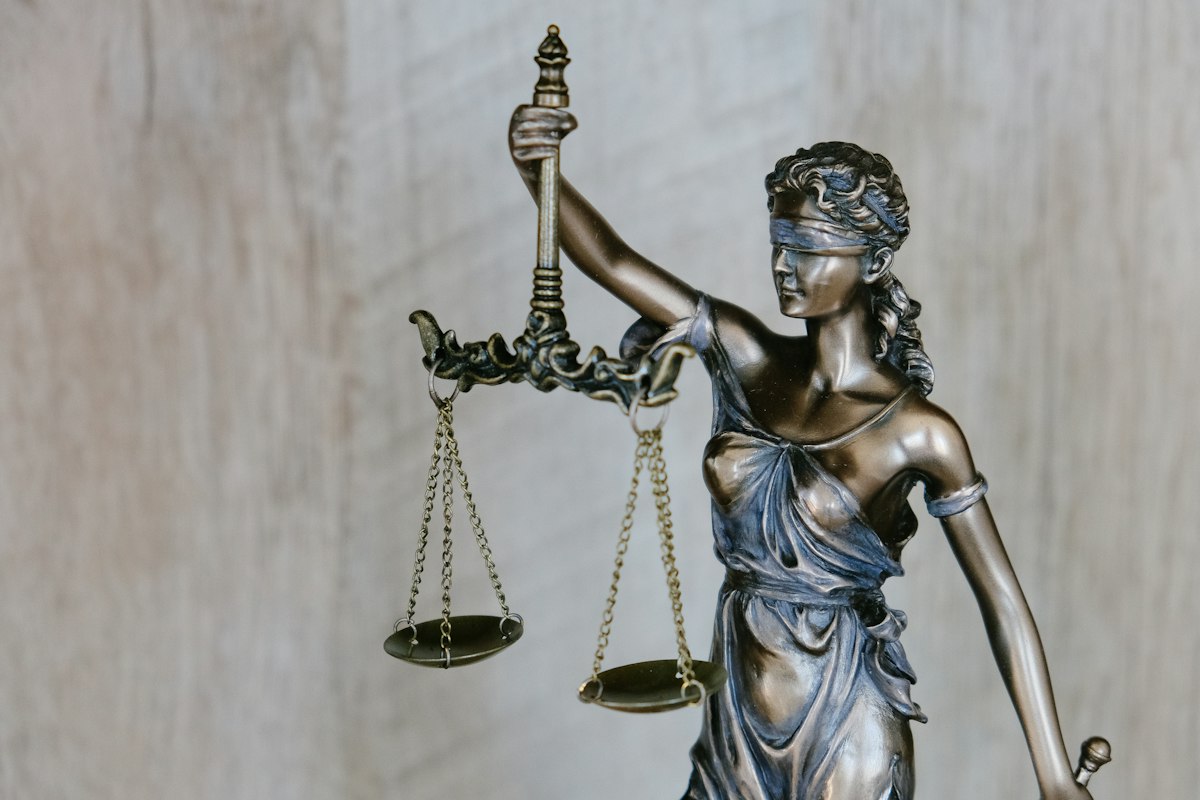
AI Music Copyright: What You Need to Know in 2026
The legal landscape around AI-generated music is evolving rapidly. This guide explains the current state of AI music copyright, your rights as a user, and how to protect yourself legally.
The Current Legal Framework
Key Questions
- Who owns AI-generated music?
- Can AI music be copyrighted?
- What are the commercial use rights?
- What are the risks?
Copyright and AI Music
The Basic Principle
Traditional copyright requires human authorship. AI-generated content challenges this:
| Scenario | Copyright Status |
|---|---|
| Pure AI generation | Likely not copyrightable |
| Human creative input | May be protectable |
| AI as tool, human direction | Stronger copyright claim |
| Significant human editing | Standard copyright likely applies |
What This Means Practically
- AI-generated music may not be "owned" in traditional sense
- This actually benefits users—no one else can claim it either
- Your use rights come from the tool's license, not copyright
- Human creative input strengthens any claims
Licensing from AI Music Tools
What Tool Licenses Typically Grant
- Right to use generated content
- Commercial use permissions
- Distribution rights
- Modification rights
What to Check
- Commercial use allowed?
- Attribution required?
- Exclusivity (can others generate same thing)?
- Sublicensing allowed?
- Geographic restrictions?
Lriza's License
With Lriza Premium:
- Full commercial use rights
- No attribution required
- Use in any project
- Worldwide rights
Practical Legal Guidelines
Safe Practices
- Use reputable tools: Clear terms of service
- Keep documentation: Save generation records
- Check commercial rights: Before using commercially
- Don't claim false authorship: Be honest about AI use
- Avoid impersonation: Don't create AI versions of artists
Risky Practices
- Using tools with unclear licenses
- Commercial use without checking terms
- Claiming you composed AI music traditionally
- Creating deepfakes of real artists
- Registering AI music with PROs without disclosure
Platform-Specific Considerations
YouTube
- AI music generally allowed
- No Content ID issues with original AI music
- Monetization typically permitted
Spotify/Streaming
- AI music can be distributed
- No impersonation of artists
- Transparency encouraged
Commercial Projects
- Check tool's commercial license
- Document your rights
- Consider additional insurance
Future Legal Developments
Trends to Watch
- Legislation: Laws specifically addressing AI content
- Court cases: Precedent-setting decisions
- Platform policies: Evolving rules
- International harmonization: Global standards
Preparing for Changes
- Stay informed about legal developments
- Use tools with clear, updated terms
- Keep records of all generations
- Be prepared to adapt practices
Common Legal Questions
"Can someone steal my AI music?"
Without traditional copyright, protection is limited. But they also can't easily prove ownership.
"Can I register AI music with ASCAP/BMI?"
Generally not recommended without significant human contribution. Policies are evolving.
"What if someone generates the same track?"
AI can theoretically generate similar outputs. Your license covers your specific generation.
"Am I liable for what AI generates?"
You're responsible for how you use the output. Don't use it to infringe others' rights.
Disclaimer
This guide is informational only, not legal advice. Laws vary by jurisdiction and change frequently. Consult a qualified attorney for specific legal questions.
Stay Protected
Use Lriza with confidence—our clear commercial license protects your right to use generated music in your projects. Download now and create worry-free.
Ready to Create Your Own Music?
Download Lriza and generate your first AI track in under 60 seconds. No musical experience required.